















Basement waterproofing in Barrie
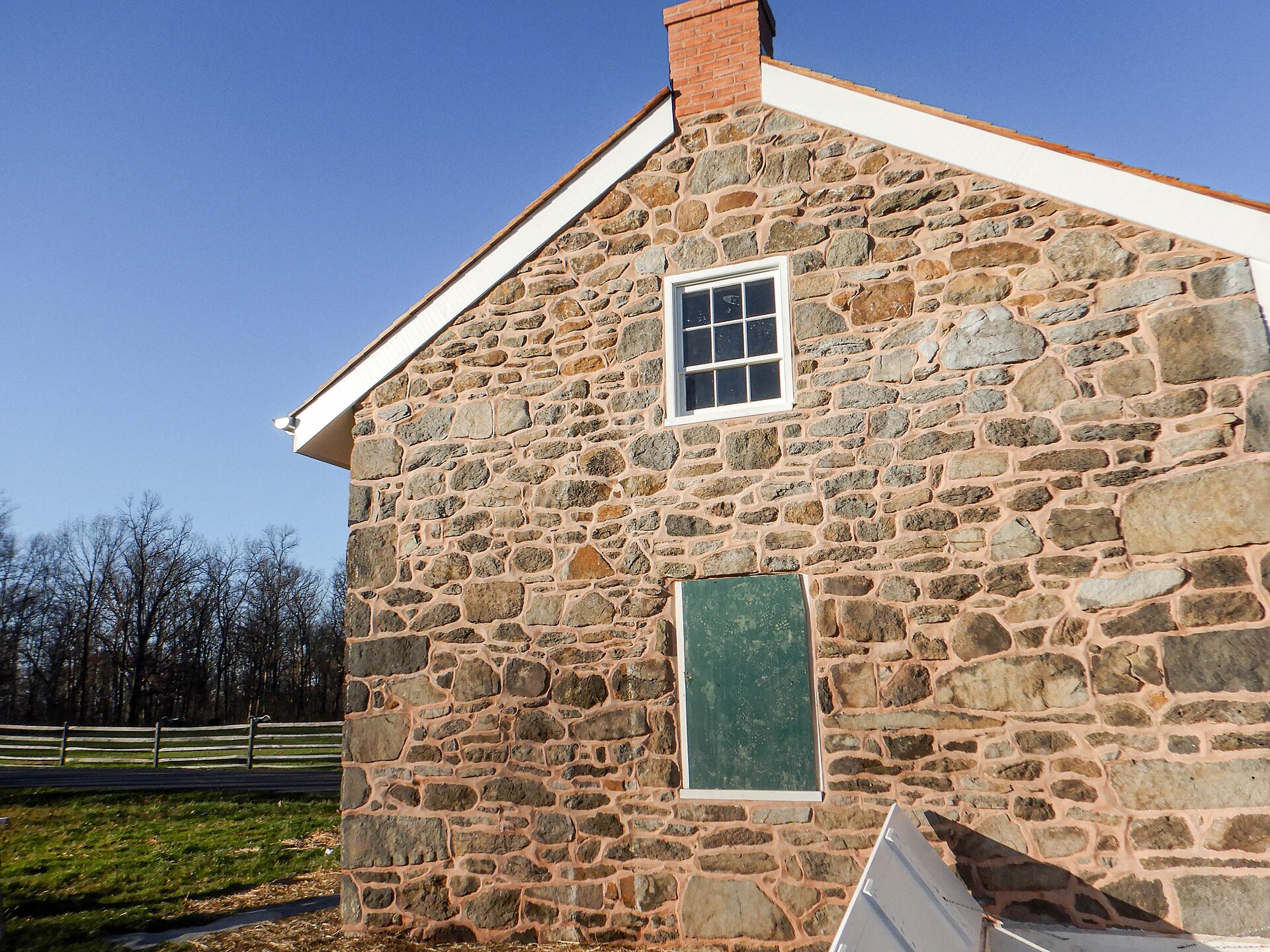
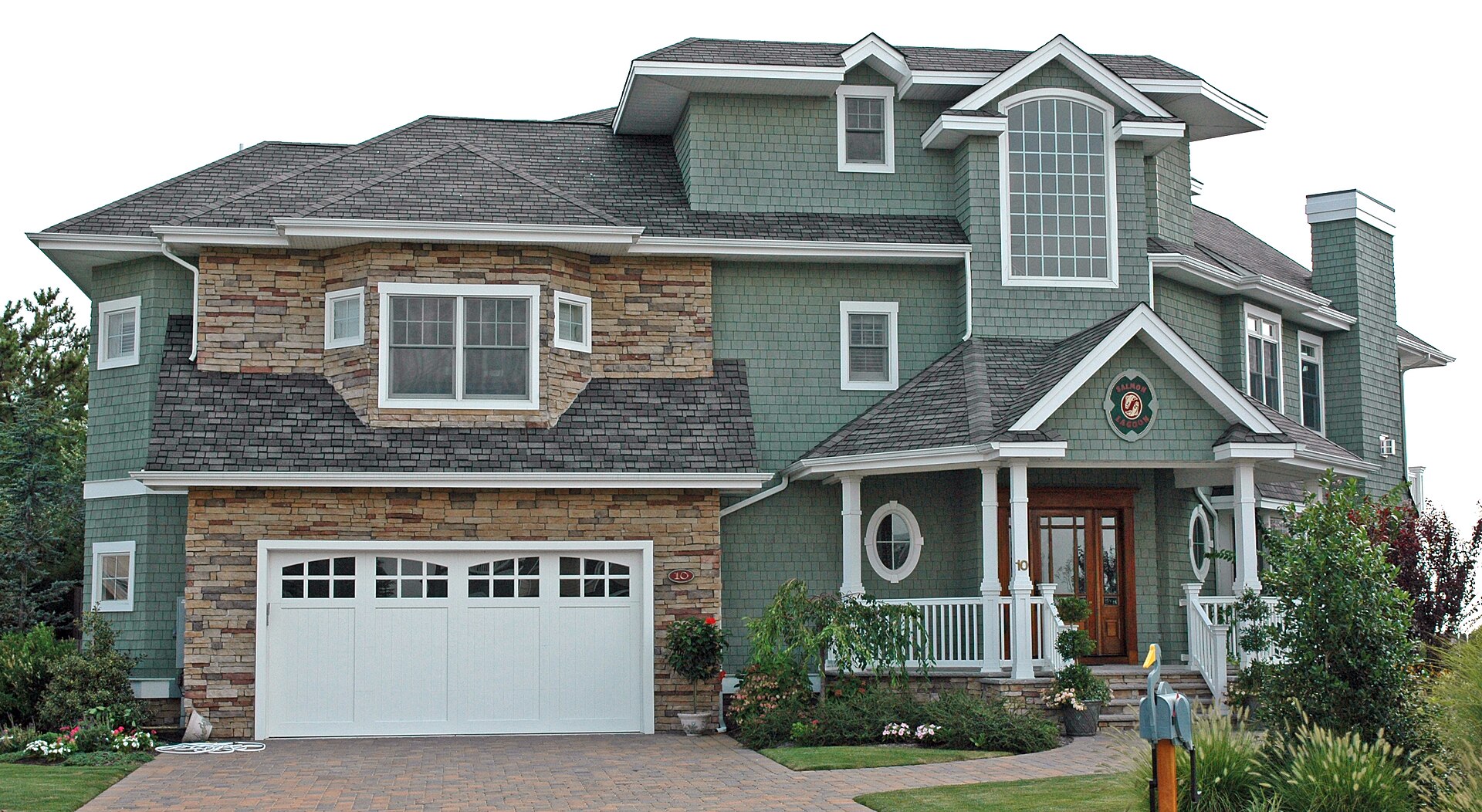
Barrie, population about 147,829, wraps around the west end of Kempenfelt Bay on Lake Simcoe and has been one of Ontario's fastest-growing cities for two decades. The housing stock steps down the landscape: Victorian and early-1900s homes on small lots near the downtown waterfront, post-war bungalows through the middle districts, and wave after wave of new subdivision across the south and north ends. Foundations follow the eras — stone and block oldest, block mid-century, poured concrete in everything recent. Only the city's low ground — the strip along Kempenfelt Bay and the central valley — sits on the old floor of glacial Lake Algonquin, floored by sand, silt and clay; the higher south end is drumlin country of silty sand till. Its creeks — Kidds, Hotchkiss, Whiskey and Lovers among them, named in the Lake Simcoe Region Conservation Authority's subwatershed plan for Barrie's creeks (lsrca.on.ca/wp-content/uploads/2024/01/barrie_subwatershed_plan_2012.pdf) — drop toward the bay through settled neighbourhoods. Add lake-effect snow off Georgian Bay and intense summer rainstorms, and wet basements are a recurring theme the city's permit rules acknowledge.
Permits and bylaw rules
Barrie is unusually explicit about waterproofing permits. The city's residential permits page (barrie.ca/planning-building-infrastructure/building-renovating/permits/residential-permits) lists "repair/replace waterproofing for basements" as work that requires a building permit — the same table requires permits for underpinning, basement suites and structural basement finishing. So a full exterior or interior waterproofing job in Barrie is permitted work by name, not a grey area; plumbing portions such as sump pits and backwater valves ride along under the Ontario Building Code. Permit applications and inspection requests run through the city's online APLI tool; Service Barrie answers questions. Separately, the city's Disconnect to Protect Rebate Program (barrie.ca/services-payments/permits-licences-applications/disconnect-protect-rebate-program) pays qualifying residents to remove illegal stormwater connections from the sanitary sewer: up to $70 for downspout disconnection, 75 per cent of the cost (to set maximums) to redirect a sump discharge to the lawn or a rain garden, and up to $2,000 toward disconnecting a foundation drain from the sanitary lateral with a new sump and pump. Those items need building permits, permit costs are included in the rebate, and — critically for timing — the city will not pay for work done before it has visited the home and verified eligibility, so the eligibility call to ServiceBarrie comes before the contractor starts. Land near creeks, the Kempenfelt Bay shoreline and other regulated areas also falls under the Lake Simcoe Region Conservation Authority, which issues its own permits for development and alteration in and near watercourses, wetlands and floodplain areas (lsrca.on.ca/index.php/planning-permits).
Lots, soil and climate
Downtown and lakeshore lots are small and tight — fences, garages and heritage trees limit excavator access, pushing many exterior jobs to compact machines or interior systems. Mid-century streets have usable side yards; the newest subdivisions have generous frontages but often flattish grades where positive drainage away from walls has to be engineered rather than assumed. The Lake Algonquin sand, silt and clay that floor the shoreline strip and central valley are exactly the soils that keep basements damp: they hold spring melt, stay plastic and heavy well into May, and pass fine particles into any weeping tile that is not wrapped in proper filter fabric. Slopes toward Kempenfelt Bay help surface water overall, but the clay holds subsurface pressure against walls. Winters bring lake-effect snow off Georgian Bay and deep frost penetration; springs bring a concentrated melt window when the bay, the water table and the storm sewers all fill at once.
The season
Exterior waterproofing — excavation, membrane, dimple board and new weeping tile — is best scheduled May through October. Barrie's version of the season is compressed at both ends: lake-effect snow can land in November, and clay ground is often still saturated into late May, so June through September is the dependable core. The spring melt concentrates basement-flooding calls into a few weeks, and summer cloudbursts generate a second spike. Winter is the right time for interior perimeter drains, sump pits, backwater valves and crack injection — done then, the house is ready before melt. Contractors' exterior calendars fill by early spring, so the best scheduling leverage is quoting in late winter.
What drives the price and what to ask
Barrie prices turn on lot access, foundation era and soil: small downtown lots with block or stone foundations cost more per foot than open suburban digs on poured concrete; lowland clay lots near the bay may need full interior perimeter systems and larger sump capacity rather than spot repairs; and growth-area homes may still be under new-home warranty, which changes who should do the work. Because Barrie names waterproofing as permit-required work, permit handling belongs in every quote. Ask each contractor:
- Exterior membrane system, interior perimeter drain, or targeted crack injection — which does this foundation and grade need, and why?
- Is the City of Barrie building permit for basement waterproofing included — application, drawings and inspection requests filed through the city's APLI portal?
- Is the property in or near an LSRCA regulated area along a creek or the bay shoreline, and who secures that permit if so?
- If the home has downspouts, a sump or a foundation drain tied into the sanitary sewer, which Disconnect to Protect rebates apply, and will you wait for the city's eligibility review before starting so the rebate survives?
- If the home is still under Tarion new-home warranty, is this a warranty claim or owner work?
- Where will the sump pump discharge — well away from the foundation, onto the lawn or a rain garden, never into the sanitary sewer?
- What stone and filter fabric specification keeps the local silt and clay fines out of new weeping tile?
- Is a battery backup or secondary pump included for melt-season power outages?
- How will grading, downspouts and swales be corrected so water sheds away from the walls, not toward them?
- What written, transferable warranty covers labour and materials?