









Basement waterproofing in Brampton
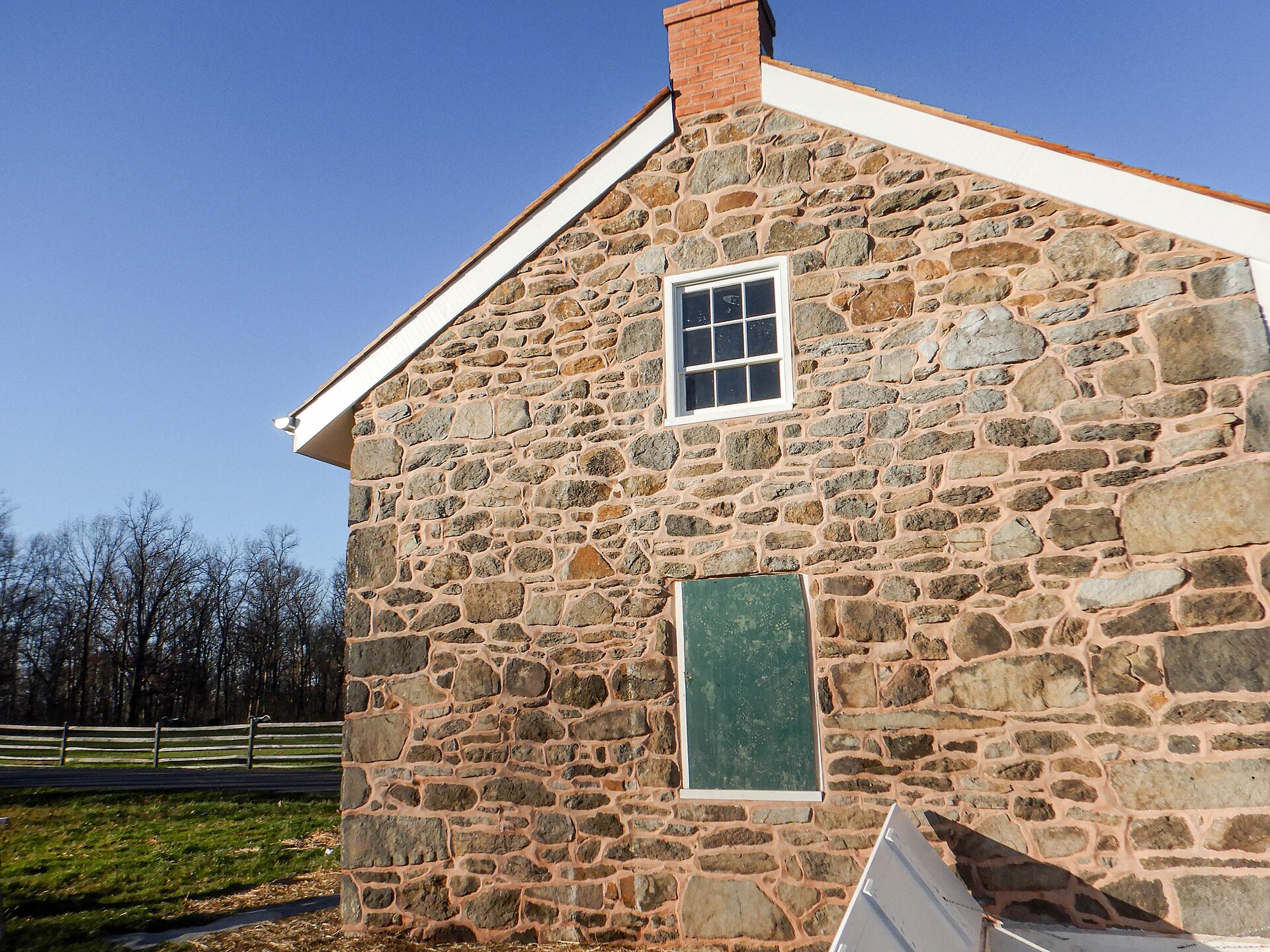
Brampton, population about 656,480, is a major urban municipality in Peel Region located northwest of Toronto, bordered by Mississauga, Vaughan, and Caledon. The city sits primarily within the Etobicoke Creek and Credit River drainage basins. Basement waterproofing conditions vary significantly depending on neighbourhood age and geography. The historic urban centre of Downtown Brampton—alongside older mature communities such as Bramalea—features residential properties constructed in the late 19th and mid-20th centuries with concrete block or unreinforced masonry foundations. Newer master-planned communities, such as Mount Pleasant, Castlemore, Credit Valley, and Springdale, feature modern poured concrete foundations constructed across former agricultural lands characterized by dense, cohesive clay soils. Properties in the Etobicoke Creek floodplain face heightened seasonal groundwater levels, while inland subdivisions experience intense soil expansion.
Permits and bylaw rules
The City of Brampton administers building and plumbing standards under the Ontario Building Code through its Building Division (brampton.ca/EN/residents/Building-Permits/homeowners). Building permit applications and inspection tracking are managed online via the Brampton Building and Business Portal (brampton.ca/EN/residents/Building-Permits/Pages/BBPortal-Member-Services.aspx). A formal building permit is mandatory for structural foundation alterations, underpinning, basement lowering, bench footing construction, and exterior excavation that affects the structural stability of foundation walls. Brampton requires a permit for structural work and for installing or altering plumbing, including backwater valves, which the Region of Peel's rebate rules say also need a municipal building permit and inspection (peelregion.ca/water/pipes-downspouts/backwater-valve-rebate). The City lists damp-proofing a basement as work that doesn't need a permit (brampton.ca/EN/residents/Building-Permits/homeowners/Pages/WhenaPermitisNotRequired.aspx); for crack repair, interior drains or a new sump, confirm with the Building Division (905.874.2401 or 311 in Brampton) before work starts.
The [Region of Peel Wastewater By-law (53-2010)](https://www.peelregion.ca/by-laws/by-law-number-53-2010) bans connecting sump discharge to the sanitary sewer and requires the water to be directed away from the house so it doesn't pool there or harm neighbouring properties. Ask the contractor to keep it off sidewalks and the street too. Properties situated within the Etobicoke Creek valley, Credit River tributaries, or designated flood hazard lands fall under the jurisdiction of the Toronto and Region Conservation Authority (TRCA) or Credit Valley Conservation (CVC), requiring conservation authority review prior to excavation. Homeowners should also verify eligibility for Region of Peel sanitary backwater valve rebate programs designed to prevent basement sewage backup during severe rainfall events.
Lots, soil and climate
Residential lot configurations across Brampton influence the execution of waterproofing work. Older lots near downtown and in parts of Bramalea can have tight side yards, so contractors may need mini-excavators or an interior sub-floor drain. Side-yard widths in newer subdivisions vary; check access before choosing exterior work.
Geotechnical conditions across Brampton are dominated by the Peel Plain, which features thick deposits of dense, expansive Halton Till clay. Cohesive clay soils have low permeability, absorb water slowly, and swell significantly when saturated. This expansion generates heavy lateral hydrostatic pressure against basement walls, frequently causing horizontal mortar cracking in concrete block foundations and water infiltration at the floor-to-wall cold joint. Alluvial sand and silt deposits with higher water tables are found along Etobicoke Creek. Brampton experiences cold continental winters with frost penetration reaching approximately 1.2 metres (4 feet). Rapid spring thaws, combined with heavy summer thunderstorms, regularly deliver high runoff volumes that stress weeping tile systems and municipal storm drains.
The season
Exterior waterproofing operations—comprising full perimeter excavation to the footing, foundation wall cleaning, masonry parging, elastomeric waterproofing membrane application, dimpled drainage boards, and new perforated weeping tile encased in clear gravel—are best scheduled from May through October. During this period, the ground is completely thawed, trench stability is maximized, and waterproofing primers, elastomeric coatings, and sealants can cure properly. Interior waterproofing—including interior sub-slab perimeter weeping tile channels, wall vapor barriers, sump pump basins, and polyurethane crack injections—can proceed throughout the winter without weather interruption. Emergency service calls peak during the spring melt (March through May) and after intense summer thunderstorms (June through August).
What drives the price and what to ask
Waterproofing costs in Brampton depend on excavation accessibility (confined downtown side yards requiring hand digging or mini-equipment versus accessible suburban parcels), foundation material (older concrete block requiring parging and structural reinforcement versus modern poured concrete), high local water tables near creek valleys requiring high-capacity sump pump systems with battery backups, and municipal permit fees. Homeowners evaluating contractor estimates should ask:
- Does the quotation specify full exterior excavation to the footing with an elastomeric membrane and dimpled drainage board, an interior weeping tile system, or polyurethane crack injection?
- How will excavation equipment access foundation walls on narrow lots without damaging neighbouring fences, driveways, or landscaping?
- Will your company obtain the required City of Brampton building and plumbing permits through the Brampton Building and Business Portal and schedule municipal inspections?
- For properties near Etobicoke Creek or Credit River flood zones, does the scope require review by the TRCA or CVC?
- How will the sump pump discharge line be configured to prevent discharge onto public sidewalks, roadways, or neighbouring lots?
- Is a battery-powered backup pump or secondary high-capacity sump pump included to protect against power outages during severe summer thunderstorms?
- What drainage stone and filter fabric specifications are used to protect the weeping tile from fine Peel Plain clay silt accumulation?
- What written, transferable warranty is provided on labour and waterproofing membranes?