





Basement waterproofing in Brant County
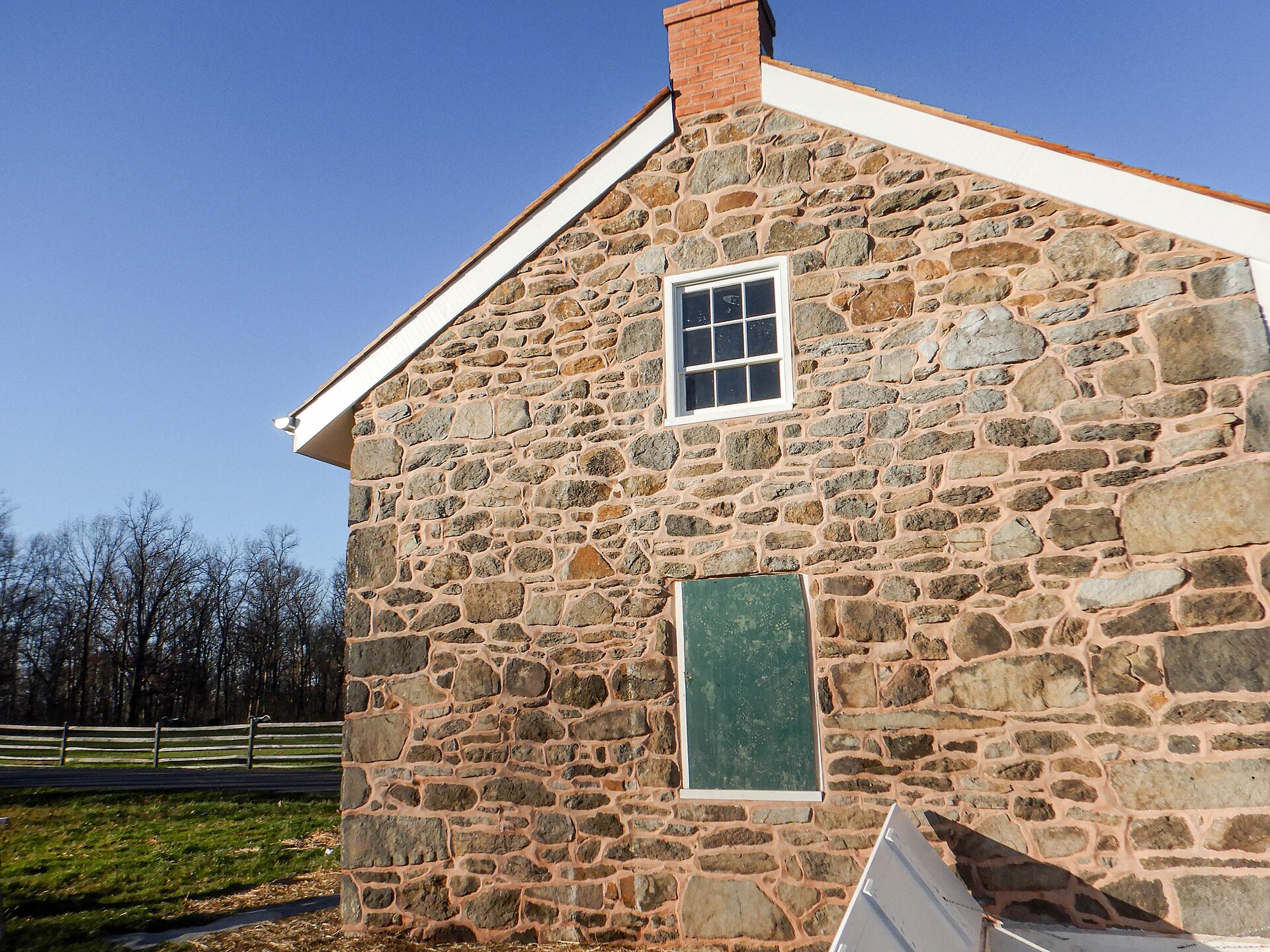
Brant County, population about 39,474, is the single-tier municipality that surrounds the City of Brantford on three sides, anchored by Paris, St. George, Burford, Glen Morris, Scotland, and Oakland. The Grand River and its tributaries — including the Nith — cut through the County, and the landscape steps from the Haldimand clay plain in the south to sandier, gravelly moraine country around Paris. That mix means two different basement problems live side by side: wet clay that holds water against walls, and quick-draining sand that carries river water to footings fast during flood events. Village housing stock adds another variable: century stone and brick foundations in Paris and St. George that need repointing, not just membrane.
Permits and bylaw rules
The County's building portal explains that a Lot Grading review and approval must be obtained before a building permit application is submitted ([brant.ca applying for a building permit](https://www.brant.ca/building-and-renovating/applying-for-a-building-permit)) — relevant to any waterproofing project that changes how water leaves your yard. Under the Ontario Building Code, foundation repair, underpinning, and plumbing changes such as sump pits or backwater valves require permits. Two County by-laws govern where water itself may go: [By-law 156-11](https://www.brant.ca/media/ulkhojpn/bl11_156_stormsewers-1.pdf) regulates storm sewer use, and [By-law 5-10](https://www.brant.ca/media/j50pbbfs/bl10_005_sewer_use.pdf) regulates sanitary sewer use in the County ([overview pages](https://www.brant.ca/bylaws-and-animal-services/regulatory-bylaws/storm-sewer-use) list both). Work near the Grand River, the Nith, or wetlands may also need a Grand River Conservation Authority permit under [O. Reg. 41/24](https://www.grandriver.ca/en/Planning-Development/Permits.aspx).
Lots, soil and climate
County lots run from village parcels near Paris and St. George to large rural properties with private wells and septic beds, where excavation and discharge placement have extra constraints. Clay plain soils swell wet and shrink dry, cycling lateral pressure on walls; moraine sands drain fast but offer no buffering when the river rises. The climate is moderate southern Ontario — freeze-thaw winters, spring melt, summer thunderstorms — with the Grand's regulated floodplain the main episodic risk to low-lying homes.
The season
Exterior waterproofing in Brant County is comfortable from May into October; interior perimeter drains, sump work, and crack injection run year-round. Leak calls peak at the spring melt and after summer cloudbursts, and riverside properties watch spring flood forecasts on the Grand.
What drives the price and what to ask
Price here moves with foundation age (stone and double-brick cost far more to restore than poured concrete), lot grading changes that County approval requires, access across septic fields and driveways, sump and backflow hardware, and distance from the Brantford–Paris contractor pool for outlying hamlets. Ask each basement waterproofing contractor:
- For a stone or brick foundation, does the quote include repointing and structural review, or membrane alone — and is that honest for this wall?
- Will you complete the County's lot grading review requirement if the project changes yard drainage, and pull the building permit for foundation or plumbing work?
- Where can my sump and downspout water legally go under the County's sewer rules, and how will you comply?
- If I am near the Grand, the Nith, or a wetland, who prepares the conservation authority permit?
- How will excavation protect my well head and septic bed, and where does spoil and discharge water go?
- Does the quote include a battery backup pump and a check valve against storm surge backflow?
- What written, transferable warranty covers the work, and which parts are prorated?
- What maintenance — sump cleaning, weeping tile flushing, grading touch-ups — keeps the warranty valid?