

Basement waterproofing in Cornwall
Cornwall, population about 47,845 at the 2021 census, sits on the north shore of the St. Lawrence River in Eastern Ontario and serves as the commercial and administrative hub of the United Counties of Stormont, Dundas and Glengarry. The housing stock spans three eras: late 19th and early 20th century homes in riverfront neighbourhoods such as Centretown and Le Village, built on limestone masonry, rubble fieldstone or early unreinforced concrete; post-war districts like Riverdale and the East End, largely concrete block; and newer poured-concrete subdivisions spreading north toward Tollgate Road and Vincent Massey Drive. The city's low-lying position in the river valley, with tributaries such as Gray's Creek and other watercourses of the Raisin Region Conservation Authority watershed, keeps water tables seasonally high, particularly during spring thaw and heavy storms.
Permits and bylaw rules
Building activity is regulated under the Ontario Building Code and administered by the City of Cornwall's Building & By-Law Division ([cornwall.ca building permits](https://www.cornwall.ca/en/property-environment/building-and-renovations/building-permits)). A building permit is required for work that alters structural support, including exterior excavation down to footings, underpinning or basement lowering, and repair of bowing or severely cracked walls with carbon-fibre strapping or structural posts. The City's page also lists installing any new plumbing piping and connecting to municipal sanitary and storm sewers among the work needing a permit, which covers a backwater valve or a new sub-slab sump pit. Interior crack injections with polyurethane or epoxy sit in a grey zone: the page lists maintenance and repairs as exceptions but states there are no exemptions for work done only on the inside, so confirm with the Division before skipping an application.
Where foundation water may go is not published as a numbered local rule on the City's site, so treat this as general guidance: most Ontario municipalities keep clear water — sump pump effluent and weeping tile drainage — out of the sanitary sewer. Ask the City of Cornwall where sump water from your property may go, and as a default, outlet onto permeable ground on your own lot, clear of sidewalks, streets and neighbouring boundaries where runoff could pool or freeze. Properties in shoreline zones, river valleys or floodplains along the St. Lawrence River or Gray's Creek — or elsewhere in the RRCA watershed — need permits from the [Raisin Region Conservation Authority](https://rrca.on.ca) before grading or excavation in regulated areas. In unserviced pockets on the periphery, septic permits come from [South Nation Conservation](https://nation.on.ca); keep sump discharge well clear of tanks and leaching beds.
Lots, soil and climate
In Centretown and Le Village, compact urban lots with narrow side setbacks, shared driveways and mature trees rule out full-size excavation machines; contractors work these streets with mini-excavators or switch to interior perimeter drainage instead. The northern subdivisions offer room for standard machines, though flat parcel grades there can work against simple surface drainage away from walls.
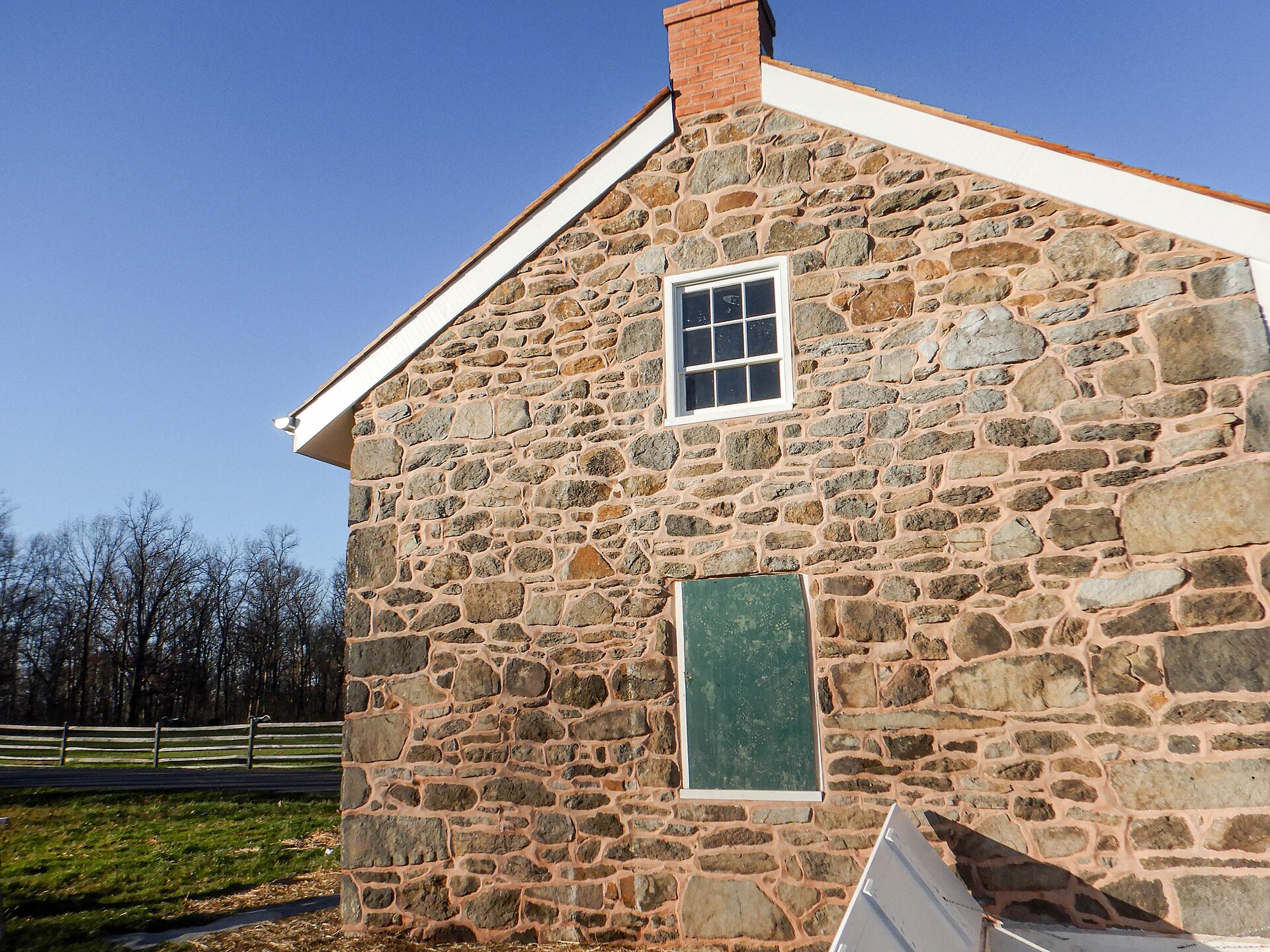
Geotechnically, the Cornwall area sits on post-glacial marine deposits of the Champlain Sea: sensitive Leda clay layered with silty glacial till, and fine alluvial sands near watercourses. Leda clay is quick to soften and lose strength when saturated — wet years push hydrostatic pressure hard against foundation walls — and it shrinks and cracks when it dries through a hot summer, opening paths for the next rain to reach footing depth. Frost penetrates 1.2 to 1.5 metres (4 to 5 feet) in a cold continental winter, and spring freshets saturate the upper clay quickly, driving water through mortar joints, tie-rod holes and cold joints.
The season
Exterior work in Cornwall runs on the river valley's calendar. Excavation to footings, membrane and dimpled board, washed stone backfill and new weeping tile are best booked May through October, once trenches have fully thawed and late frosts stop threatening fresh mastic and parging. Interior systems — sub-floor French drains, vapour-barrier wall liners, dual sump pits, resin injection — carry on through the winter, which suits downtown homes where access is tight regardless of season. The pressure season is March through May, when snowmelt comes off the valley at once and lifts the water table against a century of mortar joints; that is when the emergency calls land.
What drives the price and what to ask
Quotes in Cornwall move with access and foundation era. Hand digging or mini-excavator work in Centretown and Le Village costs more than open machine work in the northern subdivisions; rubble stone wants repointing and structural parging that poured walls do not; and every metre of Leda clay hauled out of the trench adds disposal cost. When comparing quotes, ask:
- Exterior dig with membrane and dimpled board, interior weeping tile system, or high-pressure crack injection — which does this quote assume, and why that one for this foundation?
- On a tight riverfront lot, what machine will the crew use, and how will it stay clear of the neighbour's fence, shared driveways and overhead wires?
- Which parts of the job need a City permit, and who files the application and books the inspections?
- If the house sits near the St. Lawrence or Gray's Creek, or elsewhere in the RRCA watershed, will you handle the conservation authority permit?
- Where will the sump line outlet, and will you confirm with the City where that water is allowed to go before burying it?
- What filter fabric and stone specification keeps fine Leda clay from silting up the new weeping tile?
- Does the quote include a battery backup or second pump for storm outages?
- What does the written warranty cover — labour and materials — and does it transfer to the next owner?