Basement waterproofing in Norfolk County
Norfolk County, population about 67,490, is a single-tier municipality on the north shore of Lake Erie in southwestern Ontario. It is a collection of urban centres — Simcoe (the county seat), Port Dover, Delhi, Waterford, Port Rowan, Courtland and Langton — set in wide agricultural land that was once the tobacco belt and now grows ginseng, vegetables and orchard crops. The county sits almost entirely on the Norfolk Sand Plain, a physiographic region of deep, loose, sandy glacial soil. That sand shapes every waterproofing job here: it drains quickly after rain, so sustained puddling at the surface is rare, but trench walls in clean sand run and collapse without proper shoring, and water moves through the soil fast enough that any gap in a foundation coating finds it quickly. In the low creek flats along Big Creek, the Lynn River through Simcoe, and the Lake Erie shoreline marshes, the water table sits close to the surface in spring, so basements that are dry in August can take water at thaw.
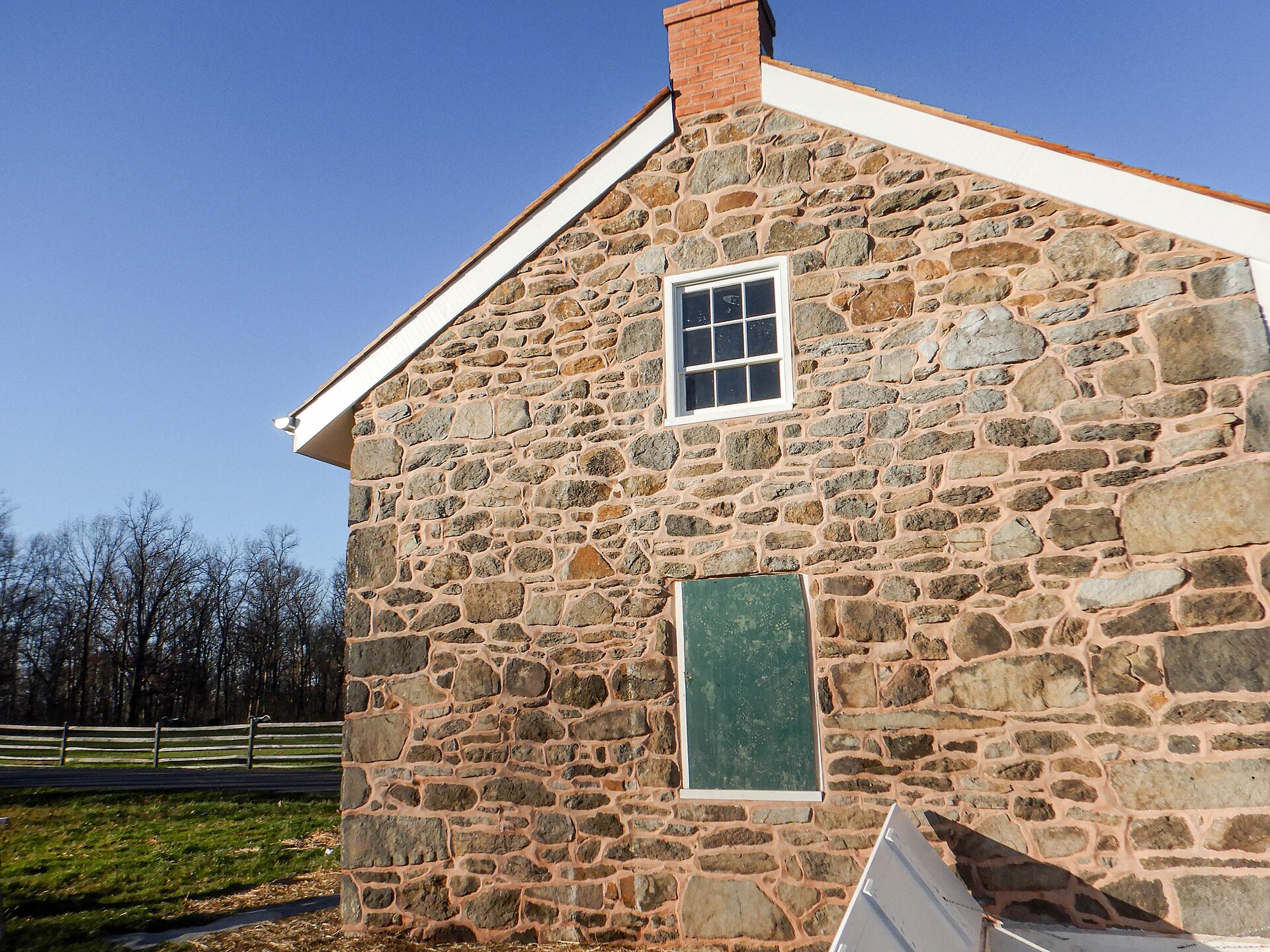
The housing stock runs from century farmhouses and Victorian brick homes in Simcoe and Port Dover — many on stone or rubble foundations that need repointing before any coating will hold — to post-war bungalows and newer subdivisions on the edges of the towns. Rural properties are often on private wells and septic systems, which changes where sump discharge can legally and safely go.
Permits and bylaw rules
Norfolk County runs building and plumbing permits through its Building and Renovating service (`norfolkcounty.ca/business-building-and-development/building-and-renovating/`), with permit guides for common residential projects. Under the Ontario Building Code, a permit is required before work that involves excavating beside a foundation, repairing or reinforcing foundation walls structurally (such as bracing bowed block walls), underpinning, creating a basement walkout, or altering plumbing — which includes installing a backwater valve or a new sump basin and pump. Norfolk's list of work that doesn't need a permit (`norfolkcounty.ca/business-building-and-development/building-and-renovating/apply-for-a-building-permit/`) covers finish work such as painting, wallpapering and tiling, but not foundation repairs, so confirm with the county's Building Department (permits@norfolkcounty.ca, 519-426-5870 extension 6016) before any crack repair.
Two further rules are local. First, the county's [Sanitary Sewer Use By-law](https://www.norfolkcounty.ca/council-administration-and-government/by-laws-and-policies/by-law-directory/sanitary-sewer-use-by-law/) prohibits discharging water from sump pumps or subsurface perimeter drains into the sanitary sewage works — sump water can go to grade, a storm system where one exists, or an on-site infiltration area — never the sanitary lateral. Second, work near watercourses, wetlands and the Lake Erie shoreline may need a permit from the Long Point Region Conservation Authority (`lprca.on.ca`), whose jurisdiction covers the Big Creek, Lynn River and related watersheds.
Lots, soil and climate
Residential lots range from narrow in-town parcels in Simcoe and Waterford to multi-acre rural acreages with long foundation runs and no curb to hide spoil piles behind. Sandy soil excavates easily when dry but must be shored, and backfill should be clear crushed stone against the wall rather than the native sand, which holds moisture against damp-proofing. Lake Erie moderates the climate — humid summers, lake-effect rain and snow squalls, and freeze-thaw cycles through winter, with footing-level frost depth around the roughly 1.2 metres commonly assumed in southern Ontario foundation design. Spring is the wettest period, when thaw and April rains combine with the seasonal high water table.
The season
Exterior waterproofing in Norfolk County runs comfortably from May through October, when sand is thawed and stable and trenching, membrane work and backfill compaction can proceed. Interior systems — perimeter drain under the slab, dimpled wall liners, sump pit and pump installation, crack injection — are done year-round. Emergency infiltration calls peak from March through May at thaw, and again after lake-effect rain events in late autumn.
What drives the price and what to ask
Quotes in Norfolk County move most with travel and mobilization across a largely rural county, shoring and spoil handling in deep sand, sump and discharge design where the water table is high, and repointing or bracing of older stone and block foundations. Ask each basement waterproofing contractor:
- Is the plan exterior excavation with membrane and drainage board, an interior perimeter drain system, or targeted crack injection — and why, for this soil and this foundation?
- How will trench walls be shored in loose sand, and who bears the cost if a bank slumps?
- What backfill goes against the wall — clear 3/4-inch stone over the weeping tile, or native sand?
- Does the job need a county building or plumbing permit, and does your company handle the application and inspection?
- Where will the sump discharge exit so it stays out of the sanitary sewer and never cycles back against the foundation (or onto a septic bed)?
- If the house is near a creek, wetland or the lakeshore, is a Long Point Region Conservation Authority permit needed?
- For a stone or rubble foundation, is repointing or bracing included before waterproofing, or quoted separately?
- What backup pump or battery arrangement is included, and is the written warranty transferable if you sell?