
Basement waterproofing in Pelham
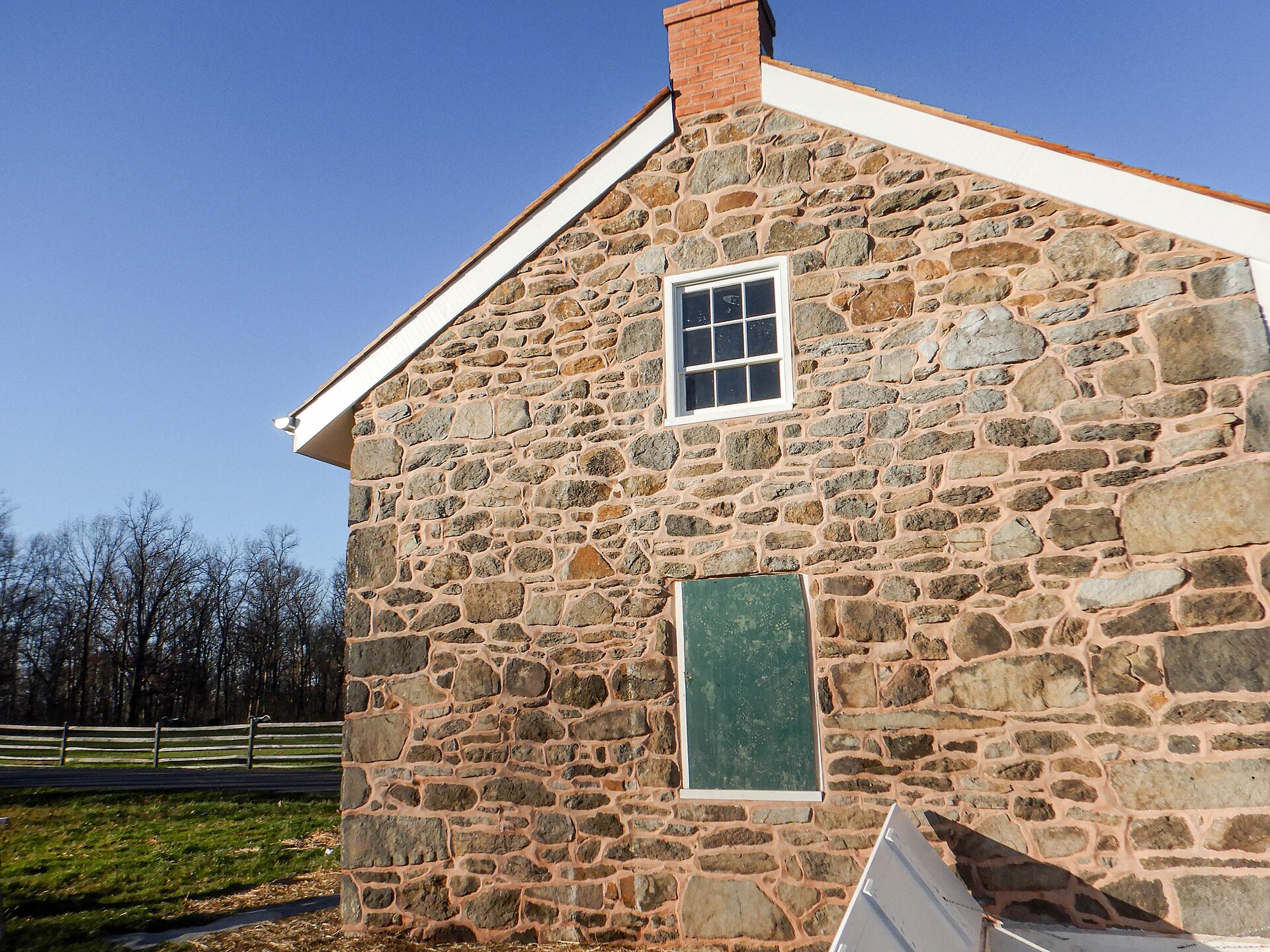
Pelham, population about 18,200, sits in the middle of the Niagara Peninsula between Welland and St. Catharines, in three centres — Fonthill, Fenwick and Ridgeville. The ground under it is a tale of two soils: Fonthill is built on the Fonthill kame, a glacial mound of water-laid sand and gravel that sheds water quickly, while Fenwick and the farmland around it sit on the flat Haldimand clay plain, where fine soil holds meltwater against foundation walls deep into spring. The headwaters of Twelve Mile Creek drain the town north toward Lake Ontario. The housing stock follows the same split: century brick homes on stone and rubble foundations near the old Fonthill and Fenwick cores, post-war bungalows from the fruit-belt era, and fast-growing new subdivisions whose builders' original damp-proofing is now 20 to 60 years old.
Permits and bylaw rules
The Town of Pelham's [building permits page](https://www.pelham.ca/pelham-government/permits-applications-licenses/building-permits/) states that before any demolition, construction, or remodeling begins, a permit must be obtained, and lists building, plumbing, sewer and water among the common permits — wording that captures foundation excavation, weeping tile replacement and new sump plumbing. Applications go through the Town's City Reporter portal, and properties on private sewage systems deal with Niagara Region for septic permits and their inspections.
Stormwater rules do not stop at the lot line. Wastewater in Pelham is run by Niagara Region, whose [sewer use by-law page](https://www.niagararegion.ca/water-and-environment/sewer-and-wastewater/sewer-use-by-law) regulates what may be discharged into the sanitary and storm systems — and notes that construction dewatering and one-time batch discharges may need a Region discharge permit, which matters when an exterior waterproofing dig pumps water out of the excavation. On the rural side, land around Fenwick and North Pelham is crossed by [municipal drains](https://www.pelham.ca/living-in-pelham/municipal-drainage/) — ditches and buried tile run under the Drainage Act — so a discharge plan that empties toward a municipal drain should be raised with the Town's drainage superintendent before work starts. Work near a creek, wetland or floodplain may also need a Niagara Peninsula Conservation Authority permit; have your contractor confirm rather than assume.
Lots, soil and climate
Older Fonthill and Fenwick streets carry narrow lots with side yards an excavator cannot pass through, so exterior digs can mean hand excavation or a compact machine. On the kame, sand and gravel drain freely; on the clay plain, saturated soil keeps pushing on walls long after the rain stops. Niagara's lake-moderated climate means wet shoulder seasons, frequent freeze-thaw cycles, and a spring melt that arrives earlier than inland but delivers a lot of water at once.
The season
The exterior waterproofing season in Pelham runs roughly late April through October: excavation, membrane and weeping tile need thawed, workable ground. Interior perimeter drains, sump pits and crack injection can be done year-round in a heated basement. Damp-must smell and seepage calls peak at the March–April thaw and after summer cloudbursts; because Pelham sits between two big contractor pools, spring booking fills fast but rarely runs out.
What drives the price and what to ask
Price in Pelham moves with the soil on your specific lot (a kame sand dig is faster than clay), access on older streets, the age and type of foundation, whether excavation water must be hauled or permitted for discharge, and how far the finished system has to carry sump water to a legal outlet. Ask each basement waterproofing contractor:
- Does the written quote propose exterior excavation to the footing with membrane and new weeping tile, an interior perimeter drain with sump, or targeted crack injection — and why is that right for my soil and foundation type?
- Will you obtain the Town of Pelham building permit and arrange the inspections, including for the plumbing portions?
- If we have to dewater the excavation, will you handle the Niagara Region discharge permit, and where will that water legally go?
- How will new weeping tile be bedded and sloped so it does not clog or heave on my lot — sand on the kame, clay in Fenwick?
- Where does the sump discharge — yard, ditch, or storm connection — and is that routing legal under the Region's sewer rules?
- Is a battery backup or second pump included, and is the discharge line protected from freezing?
- On a rural lot near a municipal drain, have you checked the drain's right-of-way and the Town's drainage rules with the superintendent?
- What written, transferable warranty covers membrane, weeping tile and sump work, and what maintenance does it require?