Basement waterproofing in Renfrew
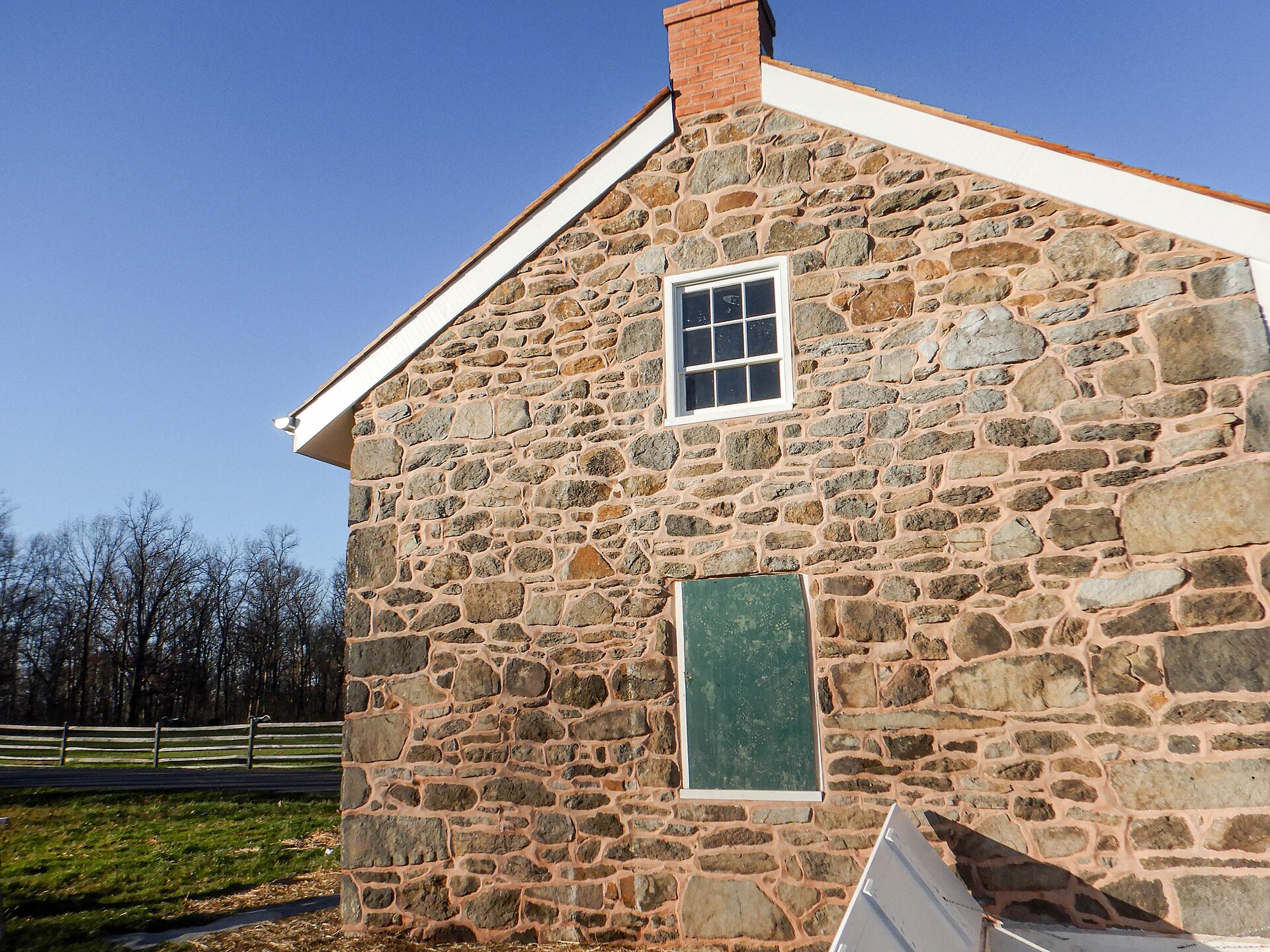
Renfrew, population about 8,190, sits on the Bonnechere River in the heart of the Ottawa Valley, a little over an hour west of Ottawa. The low ground along the river is Champlain Sea country — marine clay that holds its water, swells when wet and shrinks in drought — while the town's older core holds century homes on stone, rubble and concrete-block foundations, with post-war bungalows on poured concrete around the edges. Clay plus older foundations is the classic Renfrew combination: slow-draining soil, hydrostatic pressure against the walls at every thaw, and moisture that lingers in basements long after the surface has dried.
Permits and bylaw rules
Renfrew's [building permits page](https://www.renfrew.ca/en/building-and-construction/building-and-construction-2/building-permit) states that the Building Code Act requires a permit for an addition or renovation to any structure and for installing or altering a plumbing system — which covers structural foundation repair, underpinning, backwater valves and new sump and drainage piping. A complete application must carry the plans and documents set out in the Town's Building By-law, and typical residential permits are issued within about ten working days.
If a sewer backup is part of the problem, the Town's [water and sewer page](https://www.renfrew.ca/en/resident-services/utilities/water-and-sewer) asks homeowners to call a plumber first, and requires the plumber to contact the Town before working on the public portion of the sewer line; the same page carries the Town's by-law governing storm and sanitary sewer lines on private property, worth reading before any exterior dig that touches a service connection.
Maintenance minimums are written down too. The Town's [Property Standards By-Law No. 20-2016](https://www.renfrew.ca/uploads/Property-Standards-Bylaw-No.-20-2016.pdf) requires that a property with a basement be graded and drained to prevent water entering it, that discharge lines from sump pumps drain to a storm-water collection or drainage system, and that roof and surface water be kept off neighbouring properties. Renfrew County has no conservation authority, so there is no extra permitting layer near the river — but flood-prone lots along the Bonnechere still need systems built for spring water.
Lots, soil and climate
Lots in the older grid are narrow and deep, with houses close to the lines and side yards that force hand digging or compact machines. Riverside ground is flat and low, with a water table that climbs every spring. Winters are full Ottawa Valley cold — deep frost, heavy snow, and a thaw that can run into April as the Bonnechere carries the watershed's melt.
The season
Exterior waterproofing — excavation to the footing, wall repair, membrane and drainage board, new weeping tile — is best booked May through October, after the clay thaws and river levels drop. Interior perimeter drains, sump pits and crack injection are year-round work. Calls peak at the spring thaw and after summer storms; crews travelling from Ottawa, Pembroke or Arnprior fill their spring calendars early, so quote in late winter.
What drives the price and what to ask
Price in Renfrew is driven by access on tight older lots, foundation type and condition (stone and rubble walls need repointing before any coating goes on), the clay's water-holding behaviour, the spring water table near the Bonnechere, and travel from the larger contractor pools in Ottawa and Pembroke. Ask each basement waterproofing contractor:
- Does the written quote propose exterior excavation to the footing, an interior perimeter system, or targeted crack injection — and why is that right for a clay-lot house with this foundation?
- How will stone, rubble or block walls be repaired and repointed before membrane or drainage board is installed?
- Will the crew obtain the Town of Renfrew building permit and arrange the inspections that come with it?
- If the problem involves the sewer line, how will the crew determine where the private side ends and the Town's portion begins, and will they contact the Town before touching it?
- Where will the sump pump and weeping tile discharge, so the water reaches a storm drainage path rather than a neighbour's lot or the sanitary sewer?
- Is a battery backup or second pump included for thaw-season storms and power failures, and is the discharge line protected from freezing?
- What written warranty covers membrane, labour and drainage, and does it transfer to a new owner?