






Basement waterproofing in St. Catharines
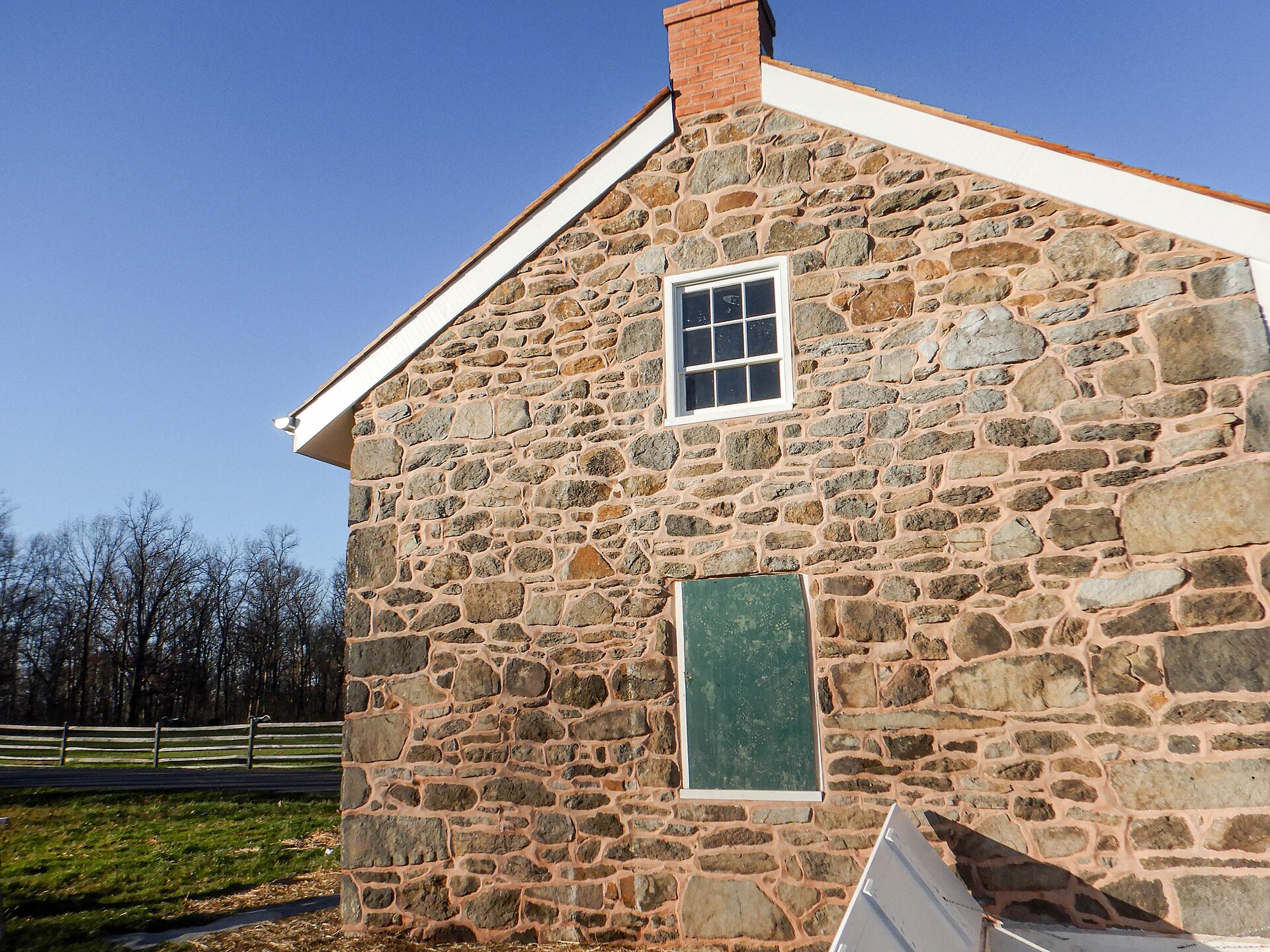
St. Catharines, population about 136,803, is the largest city in the Niagara Region, on the south shore of Lake Ontario with the Welland Canal along its eastern edge. The older grid holds the downtown along St. Paul Street, Western Hill above it, and Merritton, which grew around the second and third canals; Port Dalhousie guards the historic lakeside entrance by Martindale Pond, Port Weller sits at the canal's lake locks, and Glenridge and Louth climb the Niagara Escarpment slope in the south while Martindale and Facer fill the northwest. Housing follows that arc: 1800s brick and stone near the cores, 1920s-to-1950s homes through Western Hill and Merritton, 1960s-to-1980s subdivisions across the middle, and newer builds at the edges. On low streets near the old canal channels, the water table and the legacy of two centuries of canal digging show up in every open basement.
The land shapes the work. The city sits below the escarpment on lacustrine silts and clays over dolostone and shale, and Twelve Mile Creek cuts a deep, cold ravine from the escarpment through the middle of town to Martindale Pond and the lake. Land near the creek and the pond holds a seasonally high water table, and work in regulated valley and floodplain areas is reviewed by the [Niagara Peninsula Conservation Authority](https://npca.ca/) on top of any City permit. The July and August 2026 rainstorms that flooded basements across the city are the freshest proof of how hard a Niagara summer downpour can hit an older drainage system.
Permits and bylaw rules
Building permits run through the City's building division — start at [Do I need a Building Permit?](https://www.stcatharines.ca/applications-licences-and-permits/building-permits/do-i-need-a-building-permit/), which lists finishing basements, installation or alteration of plumbing systems and structural alterations among the projects that require one. The City's sewer pages draw one more line worth knowing: homeowners are responsible for the [sewer service from the property line to their building](https://www.stcatharines.ca/water-utilities-and-services/sewers), while the City looks after the mains — so a recurring backup often turns on whose side of the property line the problem sits.
The City also runs a rebate that changes the math here more than anywhere else in Ontario. The [Emergency Flood Alleviation Program](https://www.stcatharines.ca/water-utilities-and-services/emergency-flood-alleviation-program/) reimburses eligible homeowners 90 per cent of eligible costs, to a maximum of $5,000, for installing a mainline backwater valve and for disconnecting weeping tiles from the sanitary sewer lateral and reconnecting them to a sump pit with a pump; backup pumps, discharge piping, the initial contractor assessment with a CCTV inspection and the required plumbing permit also count. Detached and semi-detached homes built before 2012 and connected to the City sanitary sewer qualify, the work must be done by a licensed plumber under a City plumbing permit — and waterproofing work itself is not covered, so treat the rebate as a rider on the plumbing scope, not a discount on the excavation.
Lots, soil and climate
Core-area lots are narrow and tight to the lane, so exterior waterproofing downtown and in Western Hill usually means small machines or hand digging, deck removal and full restoration. Merritton and Port Dalhousie streets near old canal channels and Martindale Pond live with groundwater that fills every open trench, and the clays of the lake plain hold water against foundation walls long after a storm. Escarpment-slope lots in Glenridge and Louth gain drainage but lose machine access on sloped yards. The climate is Lake Ontario-moderated: freeze-thaw cycles through late fall and spring, a March-to-April snowmelt, and the humid-summer downpours Niagara is known for; frost still reaches footing depth on the clay plain.
The season
Book exterior waterproofing — excavation, membrane, dimpled drainage board and weeping tile — between May and October, when the ground is thawed and membranes can cure within their temperature range. Interior perimeter drains, sump pump replacement, backwater valves and crack injection run year-round — and a backwater valve plus sump disconnection is exactly the work the rebate targets, so time the plumbing permit accordingly. Calls peak during the spring melt and after the first big summer downpour finds a weak spot.
What drives the price and what to ask
Quotes in St. Catharines move most with exterior-versus-interior scope, trench depth and dewatering near the creek, the pond and the old canal channels, machine access through narrow older lots, block versus poured foundations, and the sanitary-lateral work a backwater valve needs. Ask each basement waterproofing contractor:
- Is the written scope full exterior excavation to the footing with membrane and drainage board, an interior perimeter system, or targeted crack injection — and how does that change if the basement is already finished?
- Does the job cross into permit territory — plumbing alterations, a finished basement or structural work — and who files with the City's building division and books the inspections?
- Does the quote include a mainline backwater valve and weeping-tile disconnection to a sump, and will they complete the paperwork the Flood Alleviation Program needs for the rebate?
- If the house sits near Twelve Mile Creek, Martindale Pond or a regulated valley, is conservation authority review needed, and is that work in the quote?
- On low streets with a high water table, what trench shoring and dewatering keeps the excavation safe — and where does the pumped water go?
- Who cameras the sanitary lateral, and how does the property-line split between your pipe and the City's figure in the diagnosis?
- Is a battery-backup pump included for summer-storm power failures?
- What written warranty covers materials and labour, and does it transfer if you sell the house?