












































Basement waterproofing in Toronto
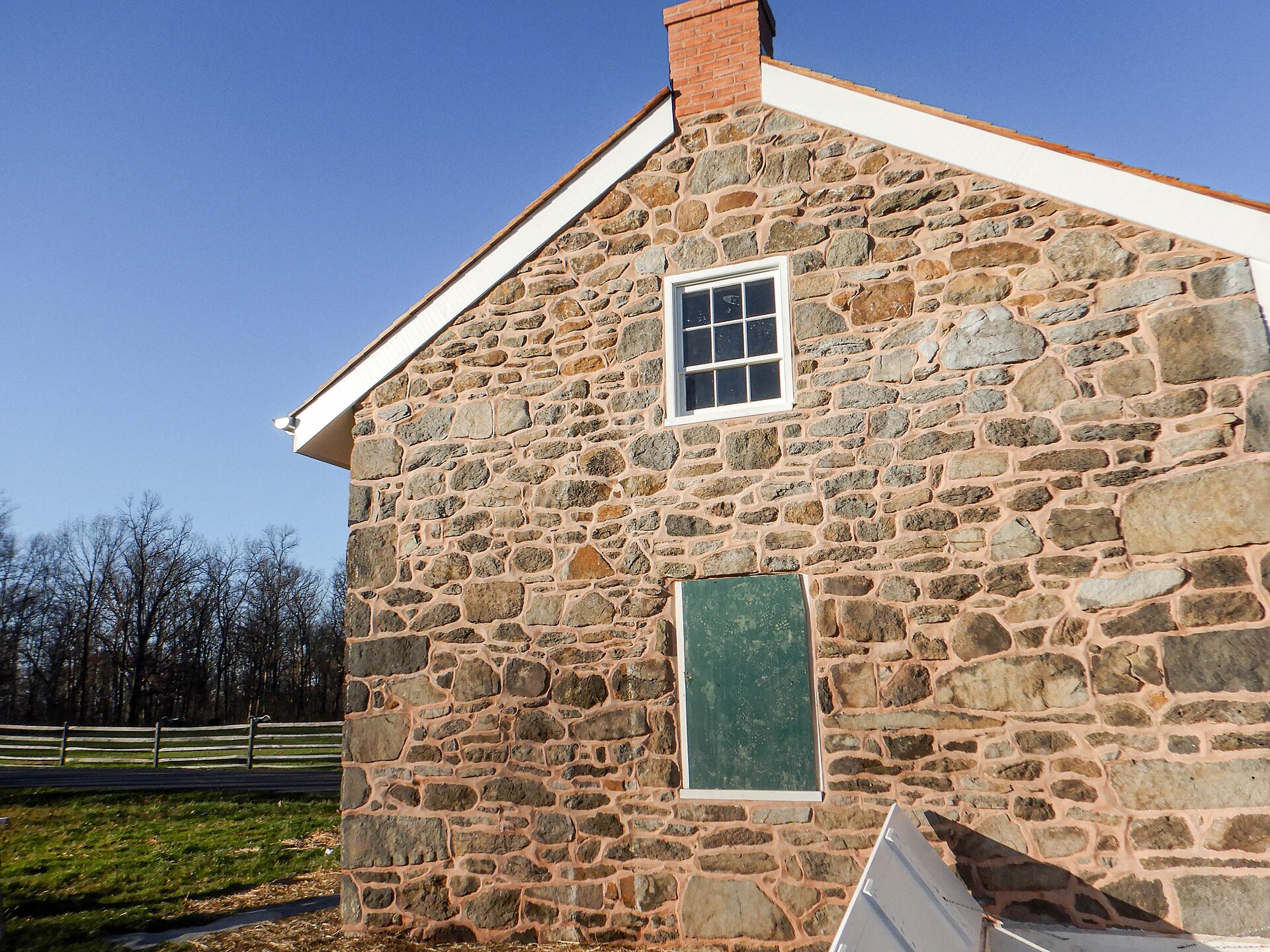
Toronto, population about 2,794,356, is Ontario's largest municipality, spanning varied terrain from the Lake Ontario waterfront north toward the Oak Ridges Moraine, cut by the Humber, Don, and Rouge River ravine systems. Basement waterproofing challenges differ by neighbourhood. Older downtown cores—including The Annex, Cabbagetown, Parkdale, Riverdale, and Little Italy—feature homes built in the late 19th and early 20th centuries with rubble stone, fieldstone, or early unreinforced concrete foundations. Mid-century communities across North York, East York, and Etobicoke predominantly contain concrete block foundations vulnerable to mortar deterioration and stair-step cracking. Modern subdivisions in Scarborough and outer areas feature poured concrete foundations. Properties close to Lake Ontario or situated within ravine corridors face elevated water tables and hydrostatic pressure, while inland properties contend with expansive clay soils.
Permits and bylaw rules
The City of Toronto enforces structural and plumbing standards under the Ontario Building Code through Toronto Building (toronto.ca/services-payments/building-construction/building-permit/before-you-apply-for-a-building-permit/when-do-i-need-a-building-permit/). A building permit is required for structural foundation alterations, underpinning or basement lowering, bench footing construction, and exterior excavation that affects foundation structural stability. A permit is required to install a backwater valve or to install or change plumbing. The City says a permit is not required to install a sump pump or to undertake waterproofing repairs to a basement; confirm with Toronto Building if the work also changes drain connections.
Toronto Municipal Code Chapter 681 (Sewers) bans connecting foundation drains or sump discharge to the sanitary sewer (toronto.ca/legdocs/municode/1184_681.pdf). The City advises discharging the sump onto a lawn, garden or gravel surface at least two metres from the foundation wall, and keeping the water off City sidewalks and neighbouring property (toronto.ca/services-payments/water-environment/managing-rain-melted-snow/basement-flooding/basement-flooding-protection-subsidy-program/). If the lot is in a TRCA-regulated area near a valley, watercourse, shoreline or flood hazard, excavation may need a Toronto and Region Conservation Authority permit under Ontario Regulation 41/24 (trca.ca/planning-permits/apply-for-a-permit/). Lots in a City-designated ravine area may also need a City permit under Municipal Code Chapter 658 (toronto.ca/legdocs/municode/1184_658.pdf). Homeowners should also note Toronto's Basement Flooding Protection Subsidy Program (toronto.ca/services-payments/water-environment/managing-rain-melted-snow/basement-flooding/basement-flooding-protection-subsidy-program/), which provides financial subsidies of up to $6,650 per eligible residential property for installing backwater valves, sump pumps, and disconnecting foundation drains from the city sewer.
Lots, soil and climate
Lot dimensions in Toronto dictate waterproofing logistics. Many older downtown lots are narrow with tight side yards, so contractors often use mini-excavators, hydro-vacuum trucks, hand digging or an interior sub-floor drain instead. Post-war lots in Etobicoke, North York and Scarborough are usually wider and easier to excavate.
Soil conditions across the city range from water-bearing sands and fine silts along the lakefront to dense glacial till and Halton Till clays across central and northern Toronto. Dense clay soils absorb moisture slowly, swell under wet conditions, and exert heavy lateral pressure on basement walls. Toronto experiences a humid continental climate with cold winters pushing the seasonal frost depth down to roughly 1.2 metres (4 feet). Rapid spring snowmelt saturated by heavy rainfall creates peak groundwater levels. In summer, intense convective rainstorms deliver localized flash floods that stress weeping tiles and municipal storm sewers, making backwater valves critical to prevent sewer backups.
The season
Exterior waterproofing operations—including full-depth excavation, wall washing, masonry parging, application of rubberized elastomeric membranes, dimpled air-gap drainage boards, and new weeping tile installation—are ideally executed between May and October. During these months, ground temperatures allow excavators to dig efficiently, trench walls remain stable, and liquid-applied waterproofing membranes cure without frost interference. Interior waterproofing—such as sub-slab perimeter weeping tiles, perforated pipe encased in clear gravel, wall vapor barrier liners, and sump pump replacements—can be carried out year-round regardless of winter freezing. Emergency calls surge during the spring thaw (March to May) and following severe summer cloudbursts (June through August).
What drives the price and what to ask
Waterproofing costs in Toronto are determined by excavation accessibility (narrow downtown setbacks requiring hand digging versus open suburban lots), foundation depth and construction material (rubble stone or failing concrete block versus modern poured concrete), high local water tables requiring dual sump pump basins with auxiliary backup systems, and municipal permitting requirements. When obtaining estimates, homeowners should ask:
- Does the proposed scope specify full exterior excavation to the footing with an elastomeric membrane and dimpled drainage board, an interior perimeter drain with a sub-slab sump system, or high-pressure polyurethane crack injection?
- How will excavation equipment navigate narrow side yards or shared driveways without damaging neighbouring landscaping or foundations?
- Will your company obtain the required City of Toronto building and plumbing permits via Toronto Building, and will inspections be booked before backfilling?
- Are the planned backwater valve and sump pump installations eligible for Toronto's Basement Flooding Protection Subsidy Program, and will you supply licensed trade invoices for the rebate application?
- Where will the sump pump discharge end, and how will it stay at least two metres from the foundation and off the sidewalk and neighbouring lots?
- Is a battery-powered backup pump or secondary high-capacity sump pump included to protect against power outages during severe summer thunderstorms?
- What drainage stone and filter fabric specifications are used to protect the weeping tile against fine clay and silt accumulation?
- What written, transferable warranty is provided on labour and waterproofing membranes, and what annual maintenance is recommended?