









Basement waterproofing in Waterloo
Waterloo, population about 121,436, is situated within the Regional Municipality of Waterloo in southwestern Ontario, forming the northern half of the twin cities alongside Kitchener. The municipality encompasses the historic urban core of Uptown Waterloo and established heritage neighbourhoods like Westmount, alongside mid-century suburban communities such as Beechwood and Lakeshore, and modern subdivisions including Laurelwood, Eastbridge, Columbia Forest, Clair Hills, and Vista Hills. Waterloo lies within the Grand River watershed, drained mainly by Laurel Creek and its tributaries, including Clair Creek. Geologically, the city rests atop the Waterloo Moraine—a complex glacial formation composed of rolling hills of permeable sand and gravel aquifers interbedded with denser, less permeable till layers such as the Maryhill and Port Stanley tills. This stratified moraine geology can create perched water tables and natural springs, with high lateral soil permeability directly above less permeable clay shelves. During heavy rains and spring snowmelt, subterranean water can accumulate against basement walls, generating intense hydrostatic pressure against cold joints and footings.
Permits and bylaw rules
The City of Waterloo oversees residential building standards through its Building Department (`waterloo.ca/building-and-renovating/get-a-building-permit`). Property owners and contractors can apply for permits and track inspections online using the City's Online Applications portal (`building-permits.waterloo.ca`). Under the Ontario Building Code, building permits are mandatory for structural foundation alterations, underpinning or basement lowering, new below-grade walkout entrances, and plumbing alterations such as installing a mainline backwater valve or adding a new sub-slab sump pump basin and drainage piping. Ask the City's Building Department (519-747-8712) whether your crack repair needs a permit before work starts.
Because Laurel Creek and its tributaries wind through Waterloo, properties situated within flood hazard zones, steep valley slopes, or wetland buffers fall under the jurisdiction of the Grand River Conservation Authority (GRCA, `grandriver.ca`), requiring conservation development approvals prior to excavation. Under [Regional Municipality of Waterloo Sewer Use By-law 21-036](https://www.regionofwaterloo.ca/programs-and-services/water-and-wastewater/wastewater-and-sewer-systems/sewer-use-by-law), property owners are forbidden from connecting foundation weeping tiles, roof downspouts, or sump pump systems to the municipal sanitary sewer network. Ask the contractor to keep the sump pump discharge on your own lot, away from sidewalks and neighbouring properties, and confirm the City's rules with the Building Department. Property owners can also participate in the City of Waterloo Stormwater Credit Program (`waterloo.ca/water-utilities/manage-drainage-and-stormwater/apply-for-a-stormwater-credit`), which cuts up to 45% off the stormwater charge on your utility bill when you capture rainwater on your lot with rain barrels, infiltration galleries or permeable pavers.
Lots, soil and climate
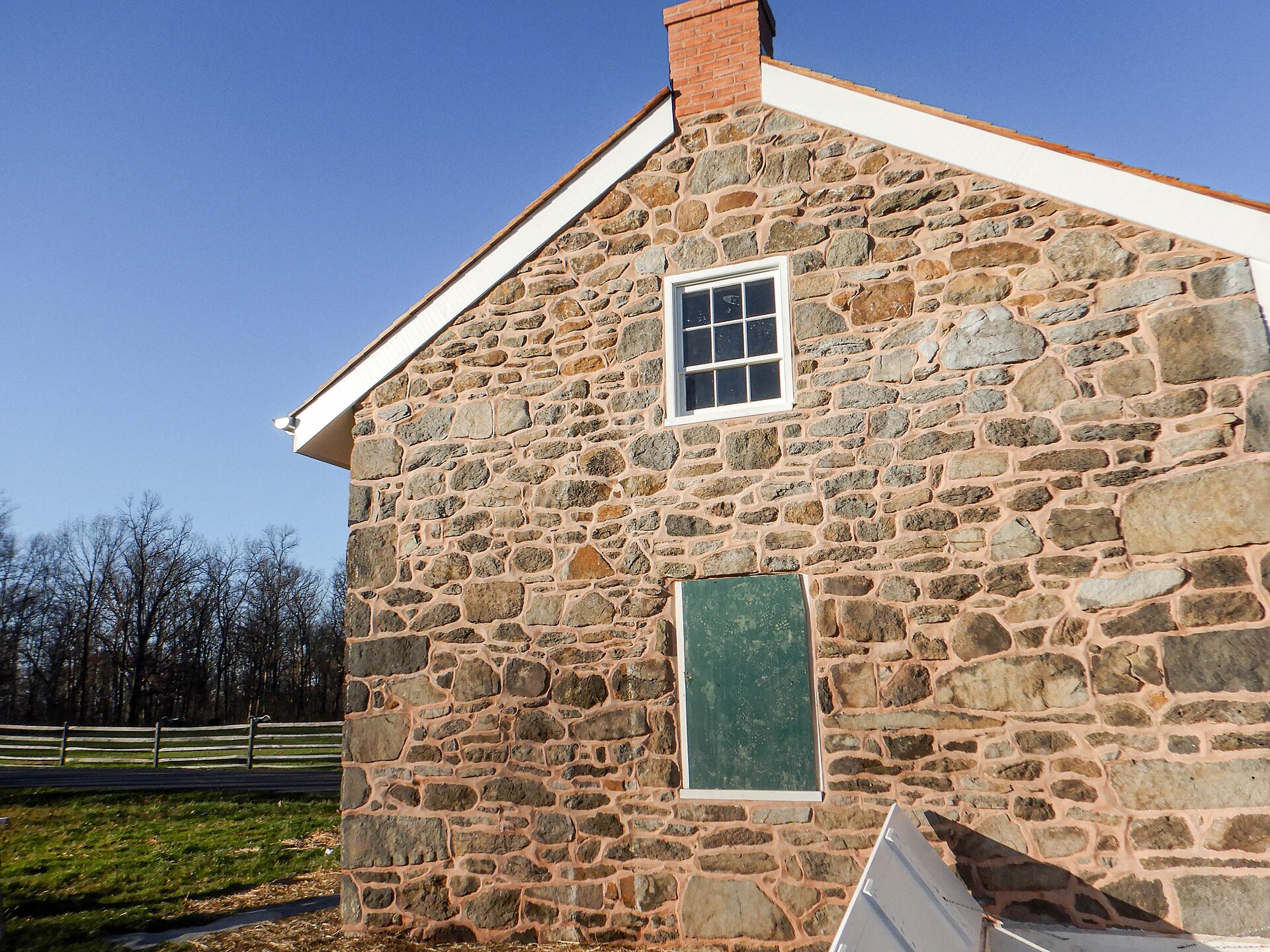
Housing stock and foundation types vary widely across Waterloo. In Uptown Waterloo and Westmount, homes dating from the late nineteenth and early twentieth centuries frequently feature stone masonry, brick, or unreinforced concrete foundations. These properties occupy mature urban lots with narrow side setbacks, requiring careful hand masonry repointing and breathable hydraulic parging to restore foundation integrity without destabilizing the structure. In mid-century subdivisions like Beechwood and Lakeshore, concrete block foundations are widespread, frequently exhibiting horizontal cracks along mortar joints under lateral freeze-thaw ground pressure. In contrast, modern homes in Laurelwood, Clair Hills, and Vista Hills feature poured concrete foundations on compact lots with narrow side yards, where contractors may need mini-excavators or hand digging.
Waterloo's moraine soils range from loose, water-bearing sands to sticky, heavy clay till that retains moisture for extended periods. The region experiences a humid continental climate with deep winter frost penetration. Rapid late-winter warming and spring rainstorms melt snowpacks quickly, saturating moraine soils and generating sudden hydrostatic surges against basement footings.
The season
Exterior waterproofing—including perimeter excavation, washing, parging, elastomeric membrane application, dimpled drainage board installation, and weeping tile replacement—is best undertaken between May and October. During this window, soils are free of frost, trench walls are stable, and liquid waterproofing membranes cure properly. Interior waterproofing, such as sub-slab French drains, wall vapour barrier liners, and sump pump installations, can be completed year-round regardless of outside weather. Emergency calls peak in Waterloo between March and May during the spring thaw and following severe summer storms.
What drives the price and what to ask
Waterproofing costs in Waterloo are driven by lot accessibility (narrow suburban side setbacks requiring hand excavation versus open lots), foundation construction material (historic stone or concrete block requiring repointing and parging versus modern poured concrete), high local moraine water tables requiring high-capacity sump basins, and whether full exterior excavation or interior perimeter drainage is selected. Ask each basement waterproofing contractor:
- Does the written quotation specify a full exterior excavation down to the footing with an elastomeric membrane and dimpled board, an interior French drain drainage channel, or targeted crack injection?
- How will excavation equipment access foundation walls on tight lots without damaging neighbouring fences, air conditioning units, or buried utilities?
- Will your company pull the required City of Waterloo building and plumbing permits through the online portal and schedule municipal inspections?
- If the property is near Laurel Creek or regulated valley slopes, will you coordinate any required Grand River Conservation Authority (GRCA) permits?
- Where will the sump pump discharge pipe end, and how will it keep water off walkways and neighbouring lots?
- Does the proposed system include a heavy-duty battery-backup sump pump to protect against basement flooding during electrical power failures?
- If you also want the City's stormwater credit, which rain-capture features (rain barrel, infiltration gallery) would you add, and how far from the foundation?
- What written warranty covers the labour and materials, and is the warranty fully transferable upon sale of the house?